
City walks
Things to do in Venice
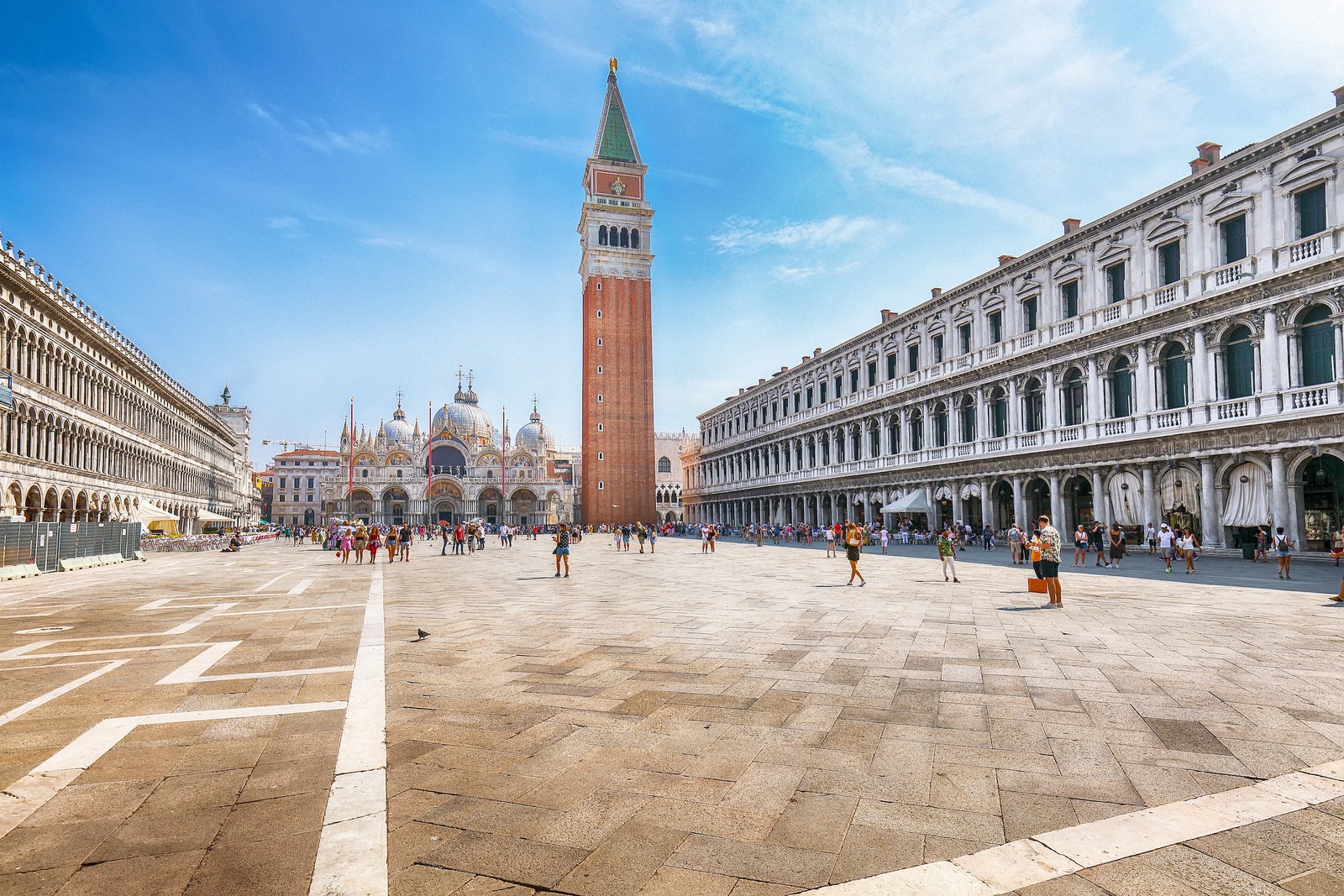
The sights around St Mark’s Square are close together. Rialto draws you towards the Grand Canal; Dorsoduro lies across it. Cannaregio and Castello extend towards the northern lagoon.
Squares, churches and palaces
No results found.
On this page
From the waterfront to Rialto
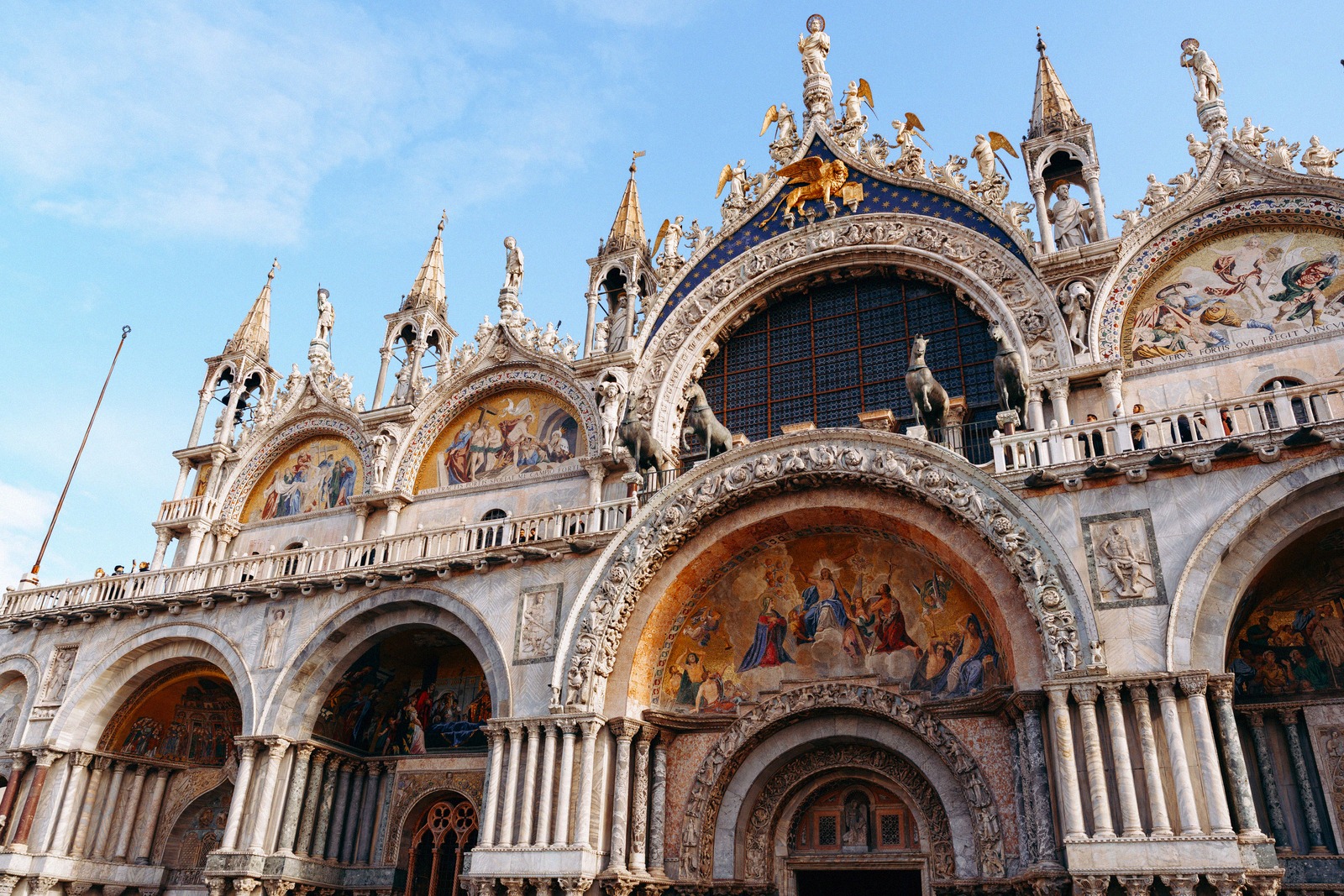
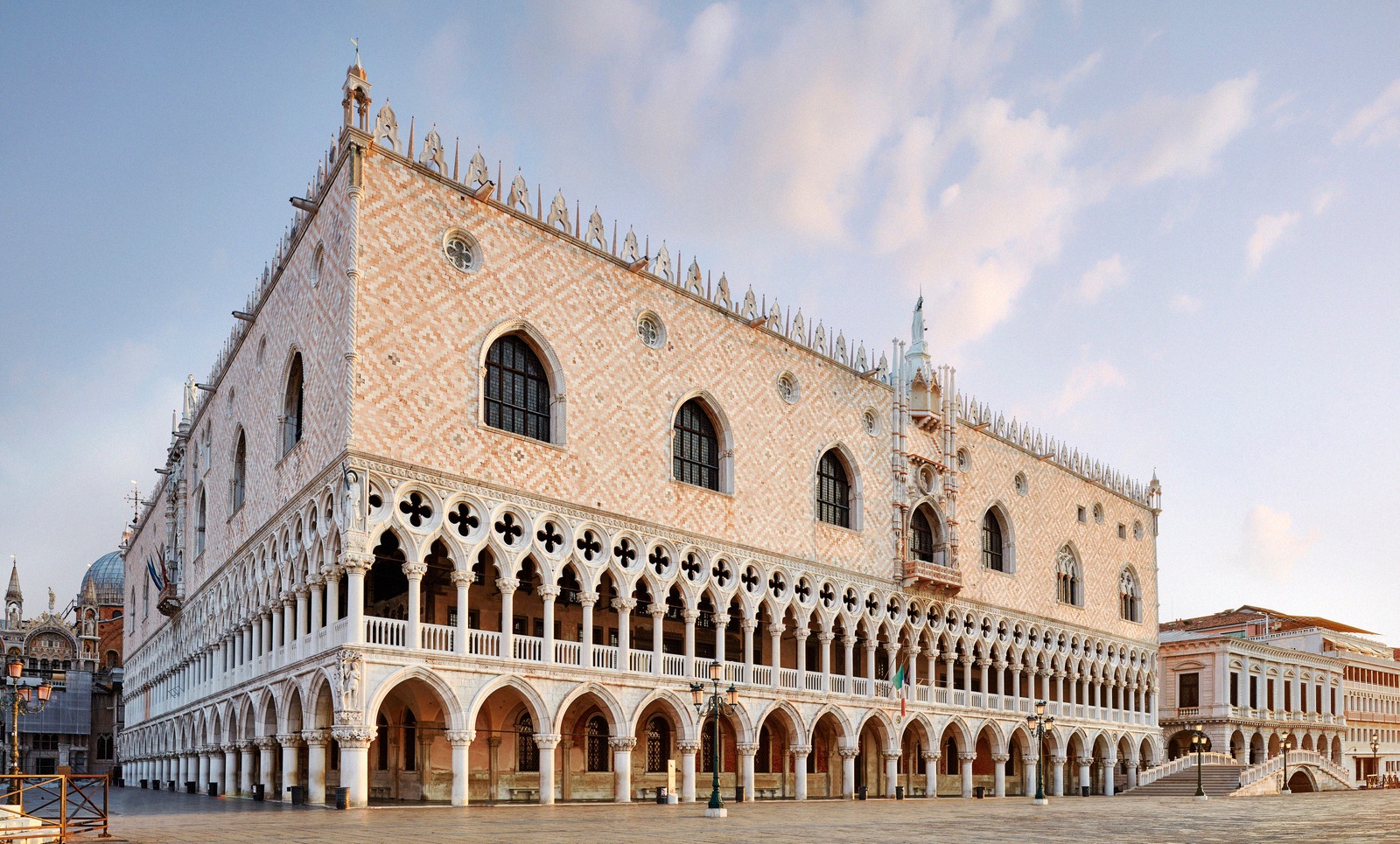
The Piazzetta leads inland between two columns towards the former seat of government. Behind the arcades of the Doge’s Palace were courts, council chambers and the doge’s apartments. Next door, St Mark’s Basilica began as the palace chapel. The two interiors have separate admission. The freestanding Campanile on St Mark’s Square has its own entrance and a lift to the viewing level.
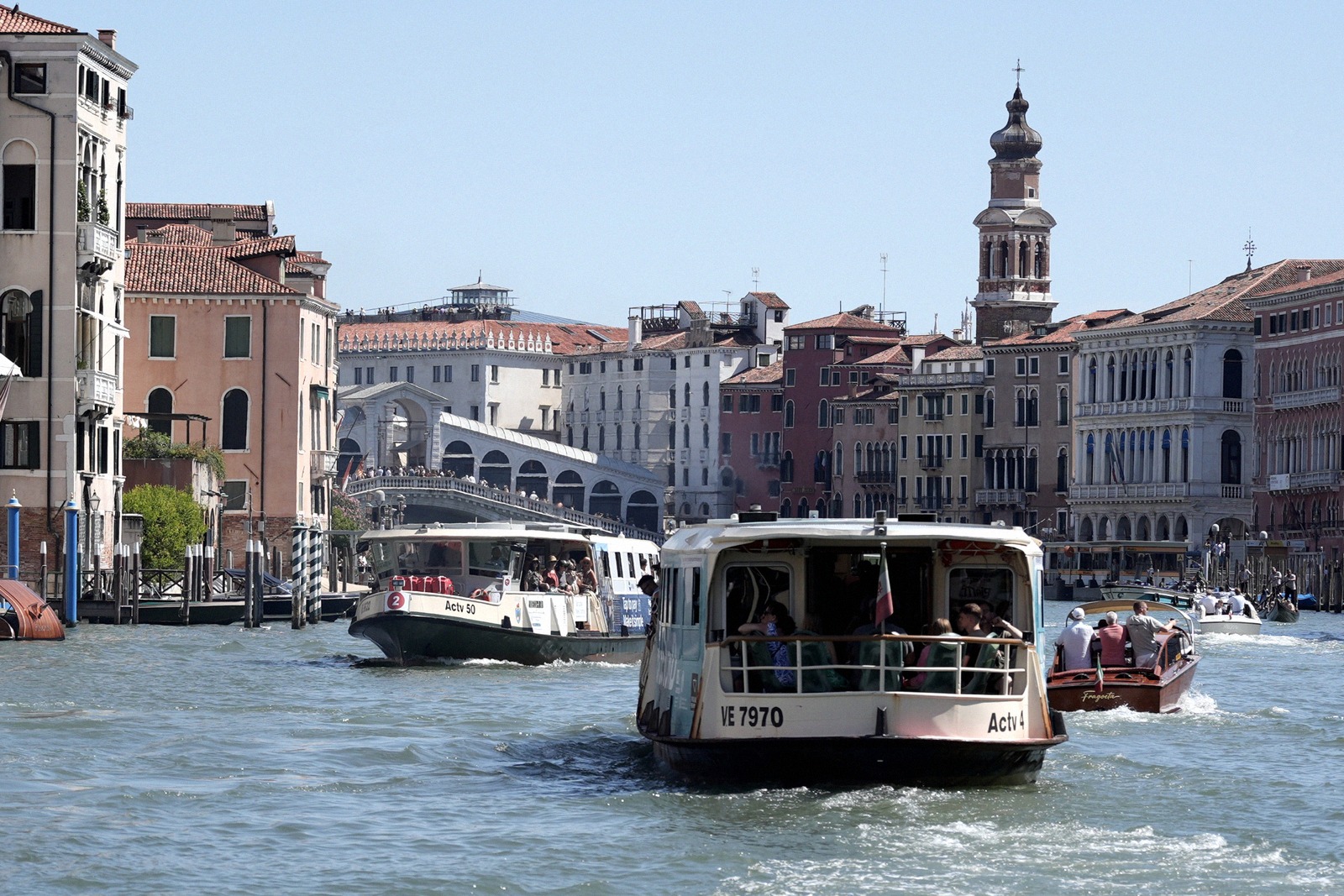
The Mercerie begin beneath the Clock Tower and lead towards the Rialto Bridge, linking the republic’s political and commercial centres. With one day in Venice, you can cross the bridge and return towards the station by waterbus to see the Grand Canal from the water.
Castello and Cannaregio’s Jewish Ghetto
From San Marco, a walk via Campo Santa Maria Formosa leads into Castello. At Santi Giovanni e Paolo, narrow streets open onto a canal-side square. Inside the brick basilica are the doges’ tombs. Continue towards the northern waterfront for boats to the lagoon islands.
Cannaregio lies between the railway station and the northern lagoon. Bridges from Fondamente degli Ormesini lead to Campo del Ghetto Nuovo. The republic established the Jewish Ghetto here in 1516. You can explore its streets and canals on foot; synagogue visits have separate arrangements. The waterfront also has bàcari, where small dishes called cicchetti accompany a glass of wine.
Dorsoduro and La Salute
The wooden Accademia Bridge connects San Marco with Dorsoduro and the Accademia and Peggy Guggenheim Collection. Further east, Santa Maria della Salute stands at the mouth of the Grand Canal. The republic commissioned it after the plague of 1630; its dome is visible from the opposite bank.
For another day, Murano and Burano belong together on a northern lagoon route. They are easier to combine with each other than as separate detours between city museums.